Reactive Dog Class Blueprint
Help more reactive dogs and make an extra $2000 - $5000 a month.
Reactive Dog Mentorship
Learn How to Confidently Handle Real Reactive Dog Cases — From Assessment to Implementation
For positive reinforcement dog trainers who want to confidently help reactive dogs.

HERE'S THE TRUTH...
Knowing what to do and how to do it aren't the same thing...
✔️ You passed the certification.
✔️ You understand reinforcement.
✔️ You know the science.
But then a real reactive dog client shows up.
The dog explodes at the end of the leash.
The owner is overwhelmed.
Nothing looks like the demo videos.
And suddenly nobody taught you what to actually DO next.
That’s because most dog trainer programs teach:
- theory
- terminology
- protocols
- exercises
But they don’t teach implementation.
They teach the WHAT.
Not the HOW.
I GET IT...
What Trainers Actually Want
👉 Most trainers are NOT asking:
“What is classical conditioning?”
👉 They’re asking:
“What do I do with THIS dog?”
“Why did this session fail?”
“Should I progress or not?”
“Is this too much exposure?”
“Why is the dog regressing?”
“What am I missing?”
“How do I explain this to the client?”
“How do I structure the next session?”
“How do I stop second guessing myself?”
“How do I know if this is actually working?”
That’s what this mentorship is for.
This Is Not Another Certification Program
This is hands-on mentorship designed to bridge the gap between dog trainer certification and real-world behavior consulting.
You’ll work through actual reactive dog cases with me step-by-step so you can learn:
- how to think through cases
- how to structure sessions
- how to progress safely
- how to troubleshoot setbacks
- how to coach overwhelmed owners
- how to make decisions confidently in real time
This is the part most trainers never get.
The Result?
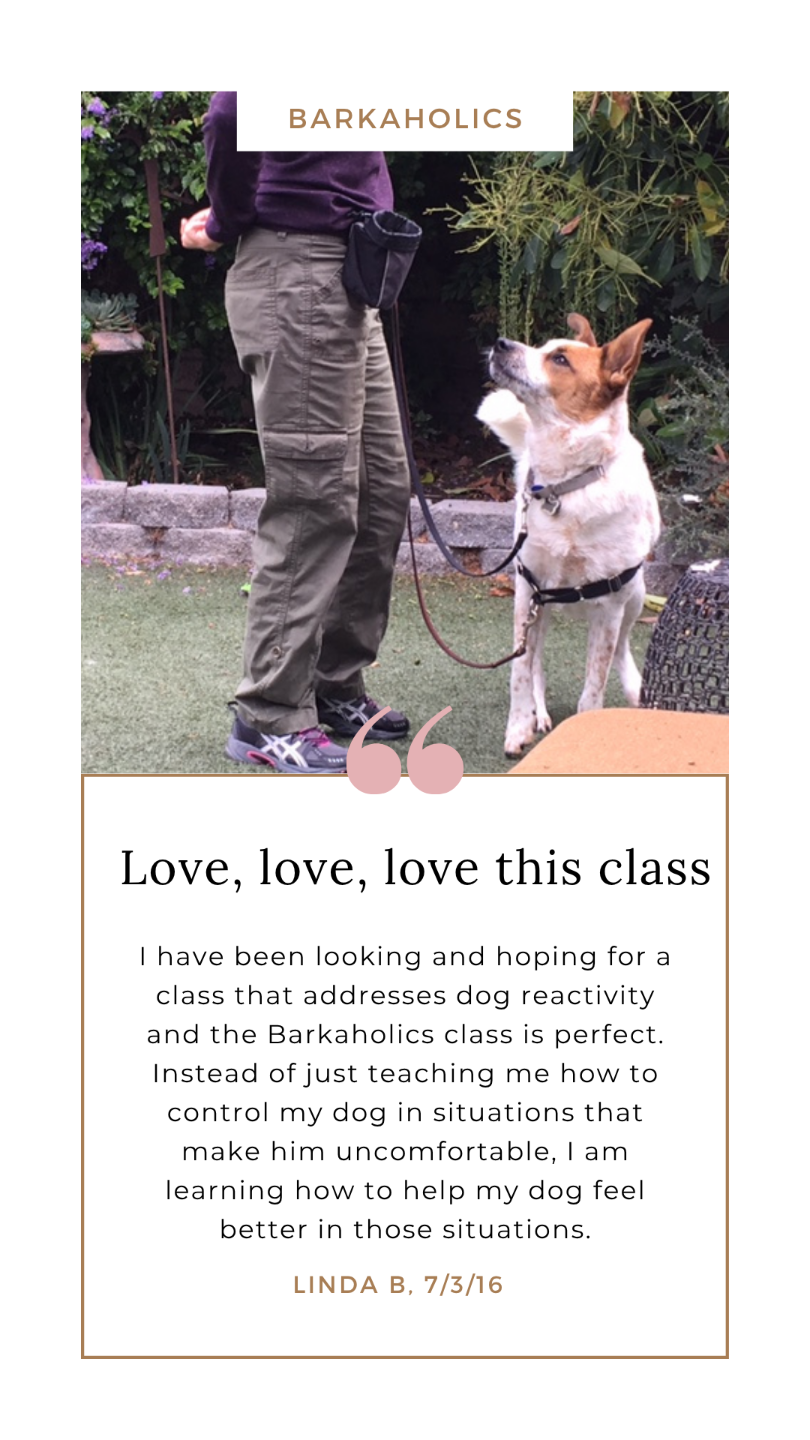
- Dogs that started class barking and lunging learned to stay calm around other dogs
- Classes filled consistently
- 50% of clients continued into Level 2 & Level 3
- Created a recurring revenue stream
Why Most Reactive Dog Classes Fail
Most reactive dog classes don’t fail because the trainer doesn’t care…
They fail because they’re missing structure.
Without a structured process:
- dogs get overwhelmed
- owners get confused
- and reactions get rehearsed instead of changed
Here’s where things go wrong:
1. There’s No Real Structure — Just “Trigger → Treat”
Most classes follow a simple pattern:
👉 dog sees a trigger → give a treat
But reactivity isn’t solved with only using a treat
👉 It’s about how the entire experience is structured
2. Treats Are Used Incorrectly
Treats are often used to:
- distract
- lure
- or bribe
And when that happens…
👉 the emotional response doesn’t change.
Used correctly, food creates a physiological shift.
Used incorrectly, it becomes noise.
3. Distance Is Misunderstood
Many trainers believe:
👉 “More distance = better results”
But distance alone doesn’t solve reactivity.
Movement, predictability, and structure matter just as much — often more.
4. No Clear Threshold Strategy
Distance is only ONE part of threshold.
Dogs can go over threshold due to:
• movement
• unpredictability
• environment
• lack of structure
Most trainers only think about distance thresholds.
But that’s just one piece.
5. Too Many Behaviors Are Taught
Many programs rely on:
- incompatible behaviors
- emergency behaviors
- obedience behaviors such as Find It
But in real life…
👉 reactive moments happen fast.
There isn’t time for complexity.
What We Do Instead
Inside this system, we simplify everything.
We focus on:
👉 4 simple confidence-building foundation behaviors
These are introduced early.
Then the rest of the program focuses on:
👉 rewiring the dog’s emotional response in a structured, controlled environment
INTRODUCING
The Reactive Dog Class Blueprint
A step-by-step system that shows you exactly how to run a safe, structured reactive dog class — even if you’ve never done one before..
I’m currently building a new program for dog trainers called:
The Reactive Dog Class Blueprint
Inside the Blueprint, You'll Learn:
- how to structure a reactive dog class from start to finish
- how to safely manage multiple reactive dogs
- how to run a proven 6-week curriculum
- how to apply the emotional rewiring framework
- how to create a safe, controlled training environment
What Happens Next
Level 1 is where everything changes.
This is where you and your clients learn the structure that makes reactive dog training actually work.
Once that foundation is in place, you’ll have the option to expand into:
• Level 2 continuation classes
• advanced real-world application
• and client acquisition strategies on social media
These will be added later as optional add-ons and bonuses.
⭐️ ⭐️ ⭐️ ⭐️ ⭐️

This Will Make You a Better Trainer
Most trainers think they need to master reactivity before teaching a class.
But what I found was the opposite.
Teaching reactive dog classes forced me to:
- create structure
- control the environment
- manage multiple dogs
- guide multiple owners
And because of that…
👉 I developed a system that worked.
Not just in class.
But in private lessons too.
If it works in a reactive dog class…
👉 It will work in private sessions.
I Don’t Have a Facility
You don’t need one.
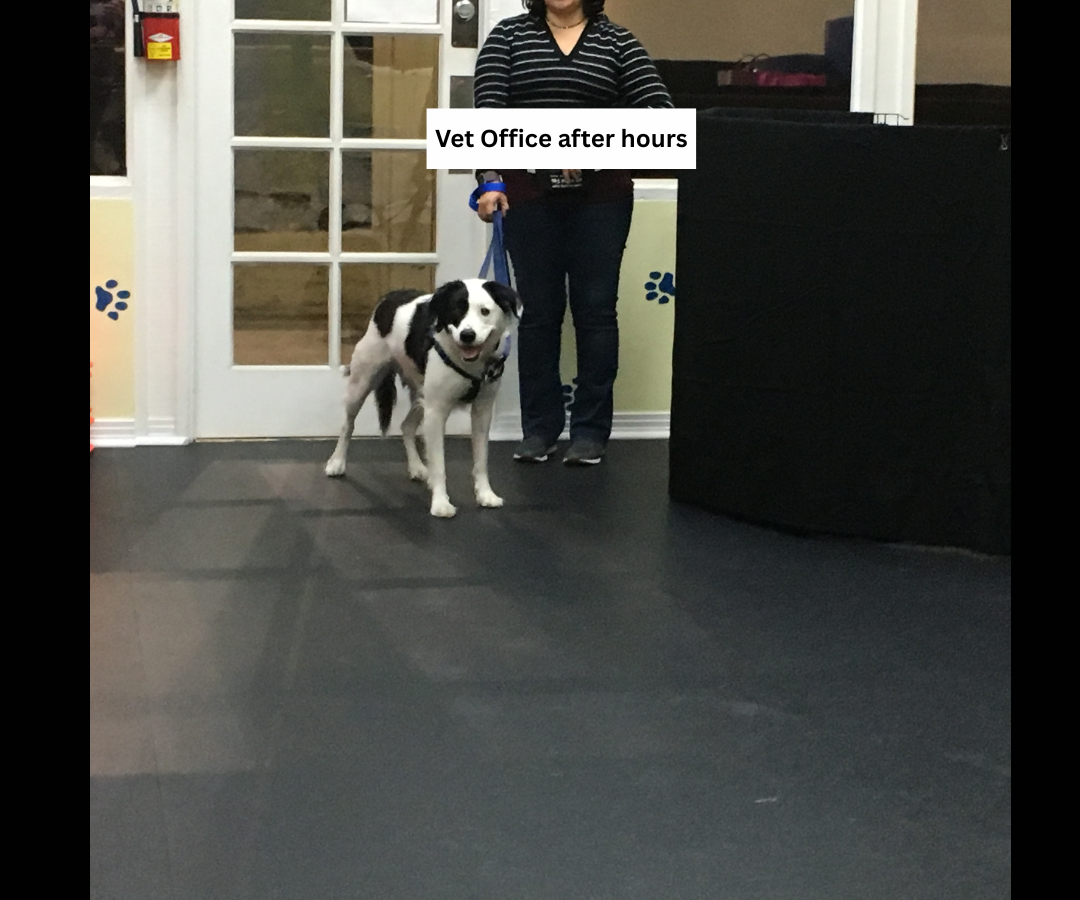
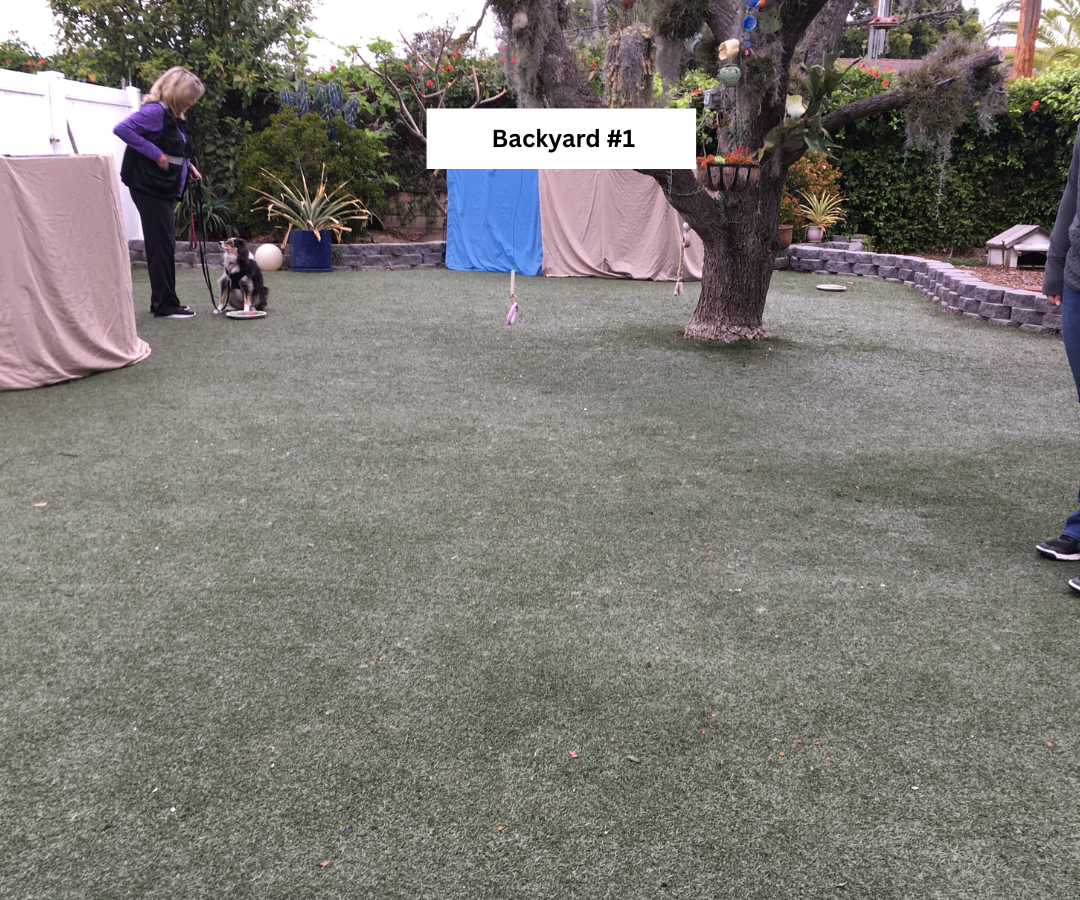
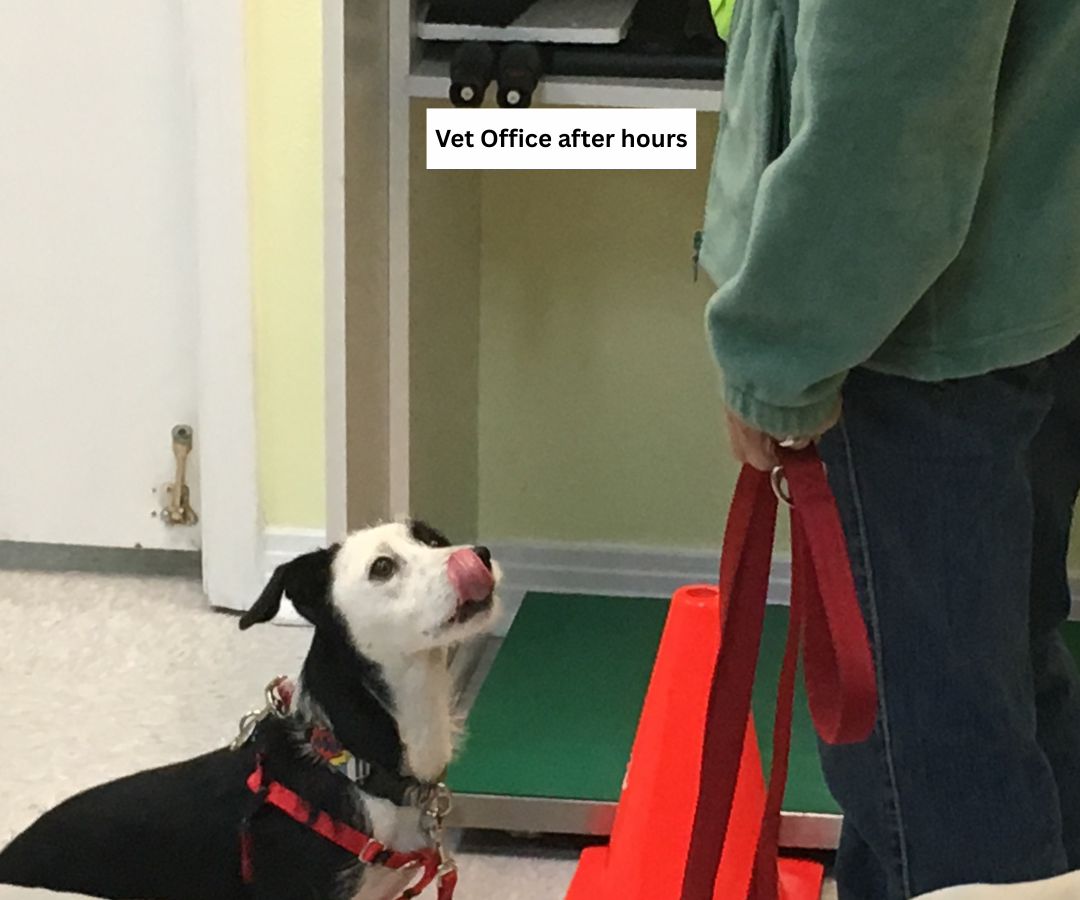
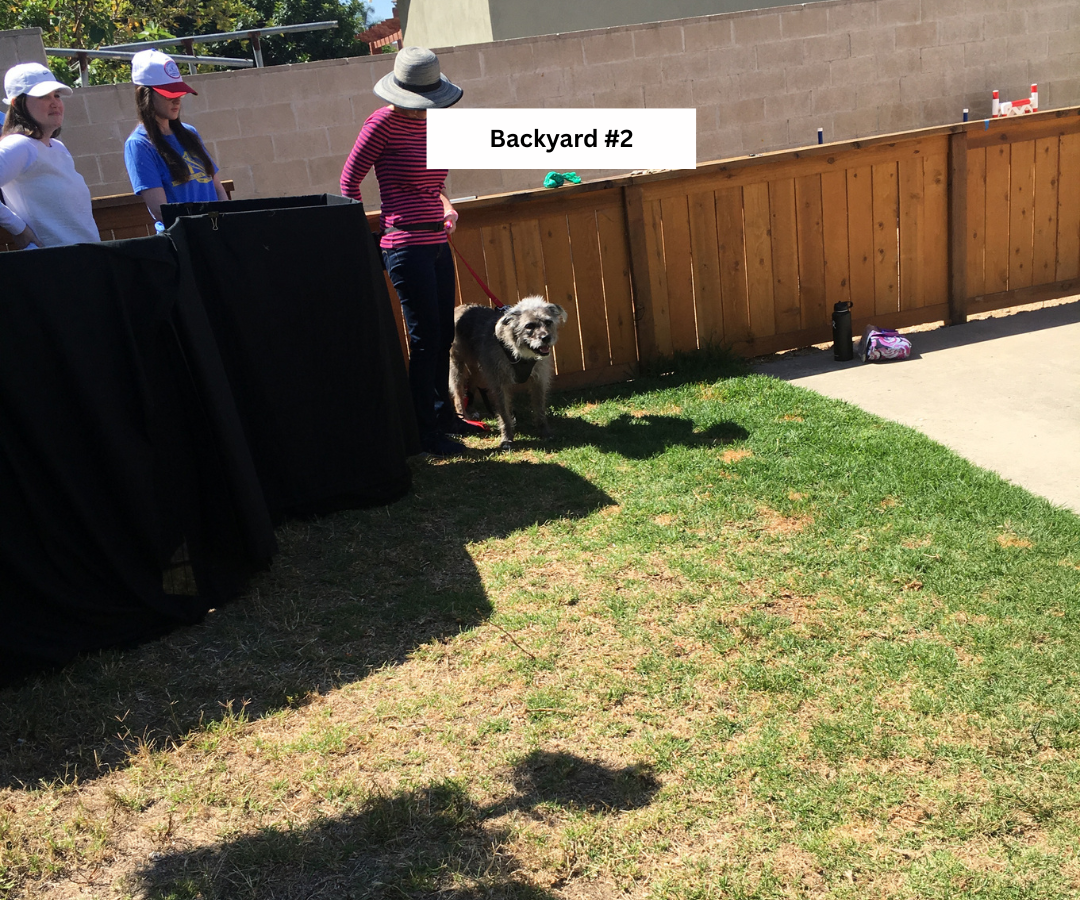
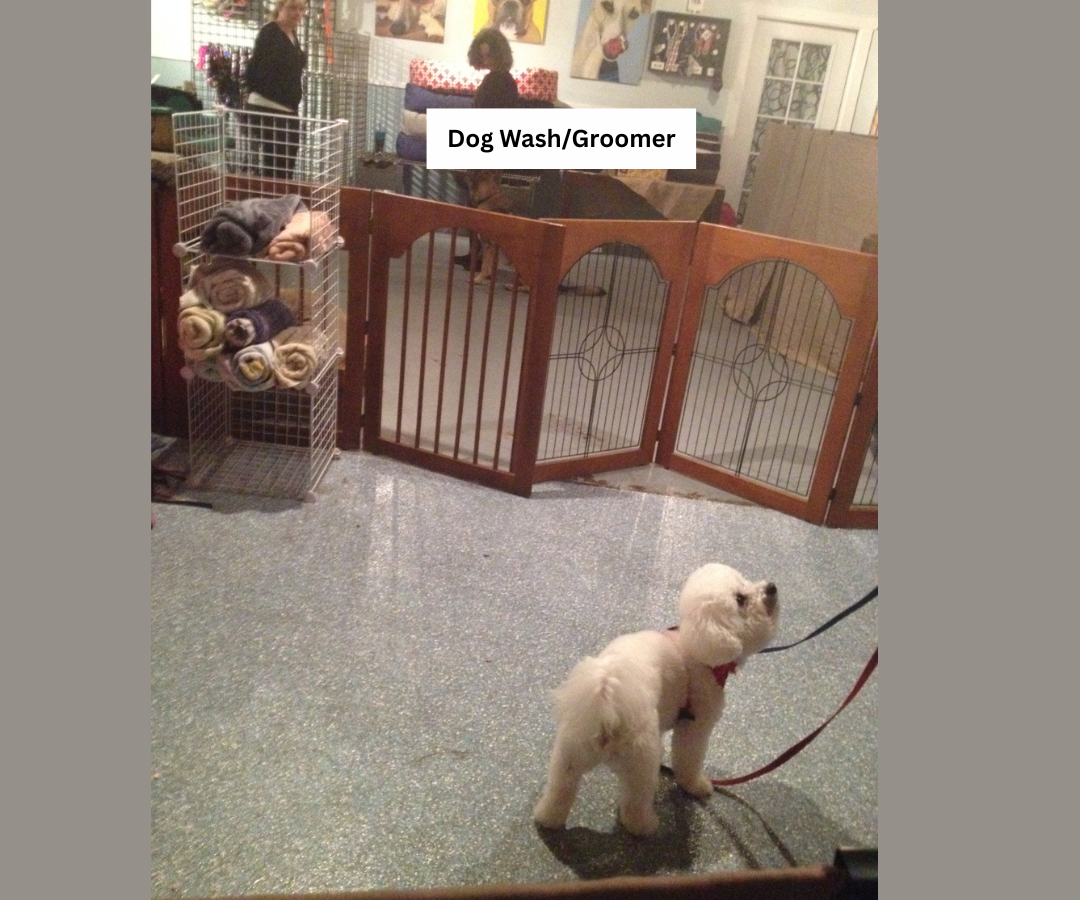
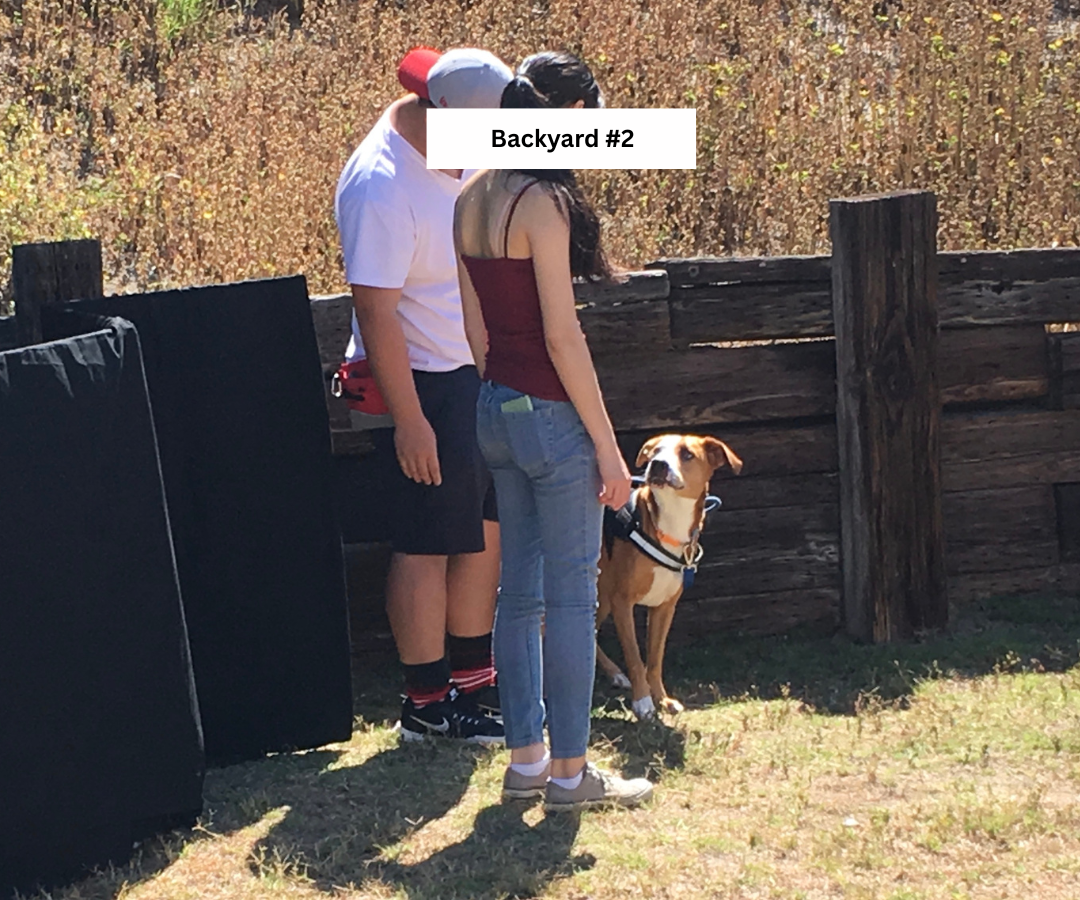
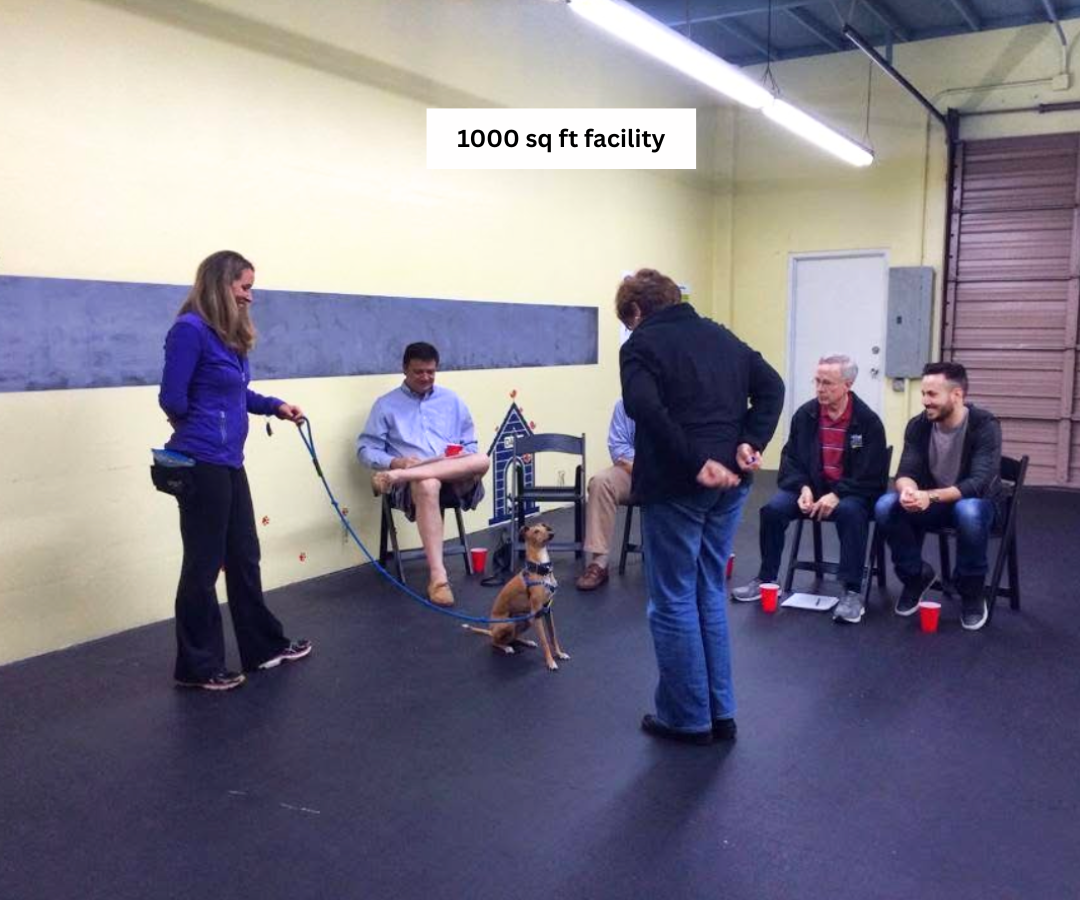
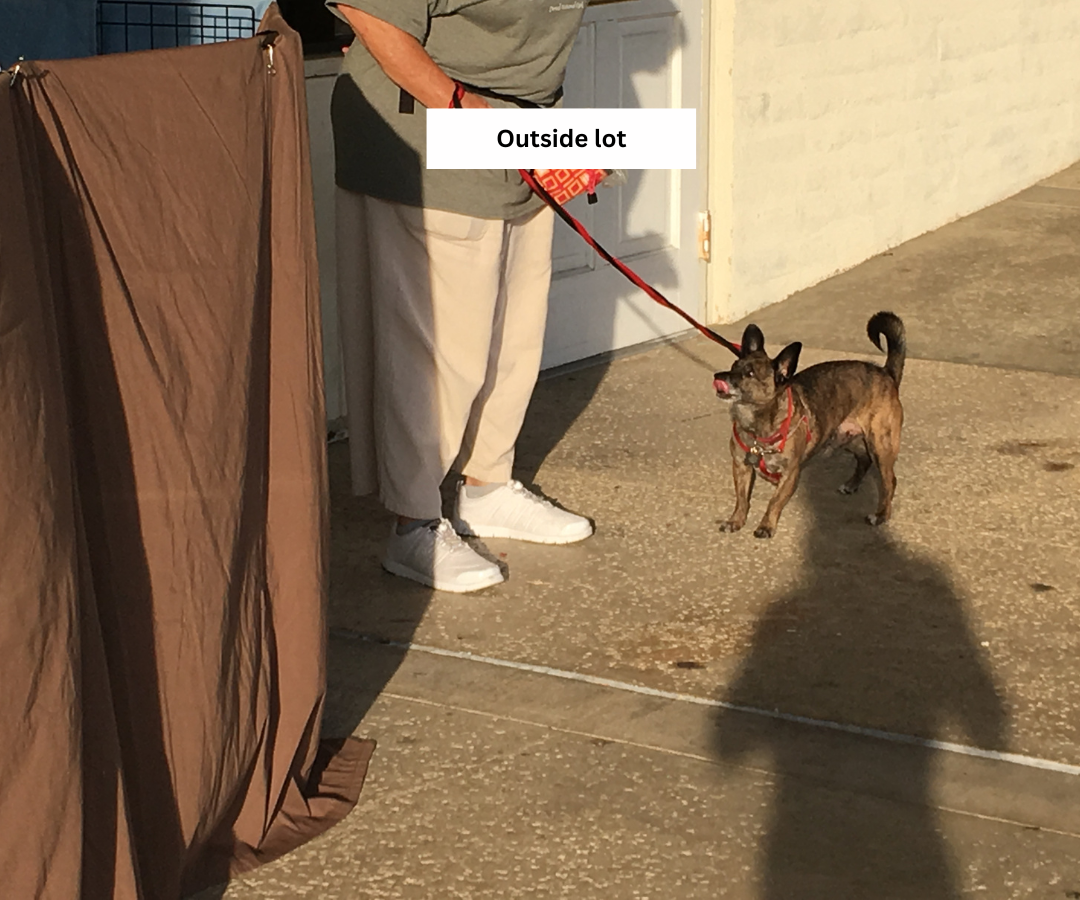
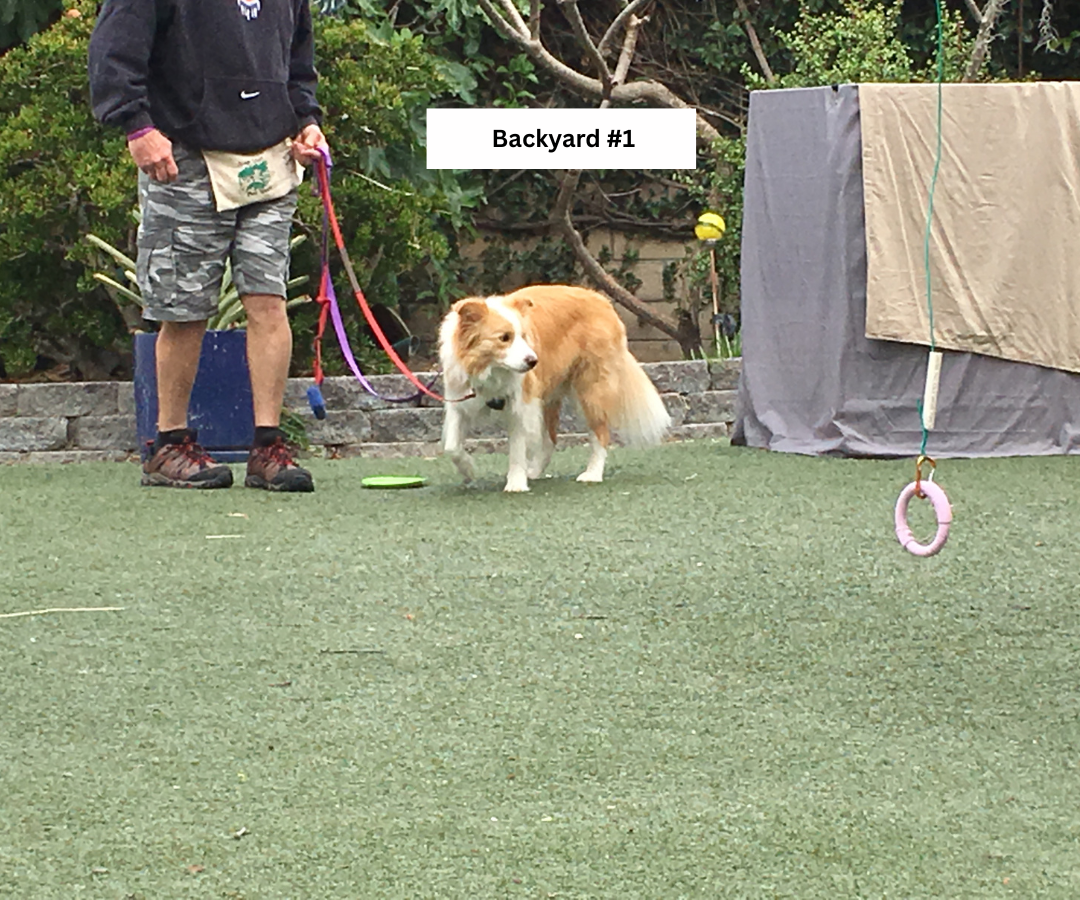
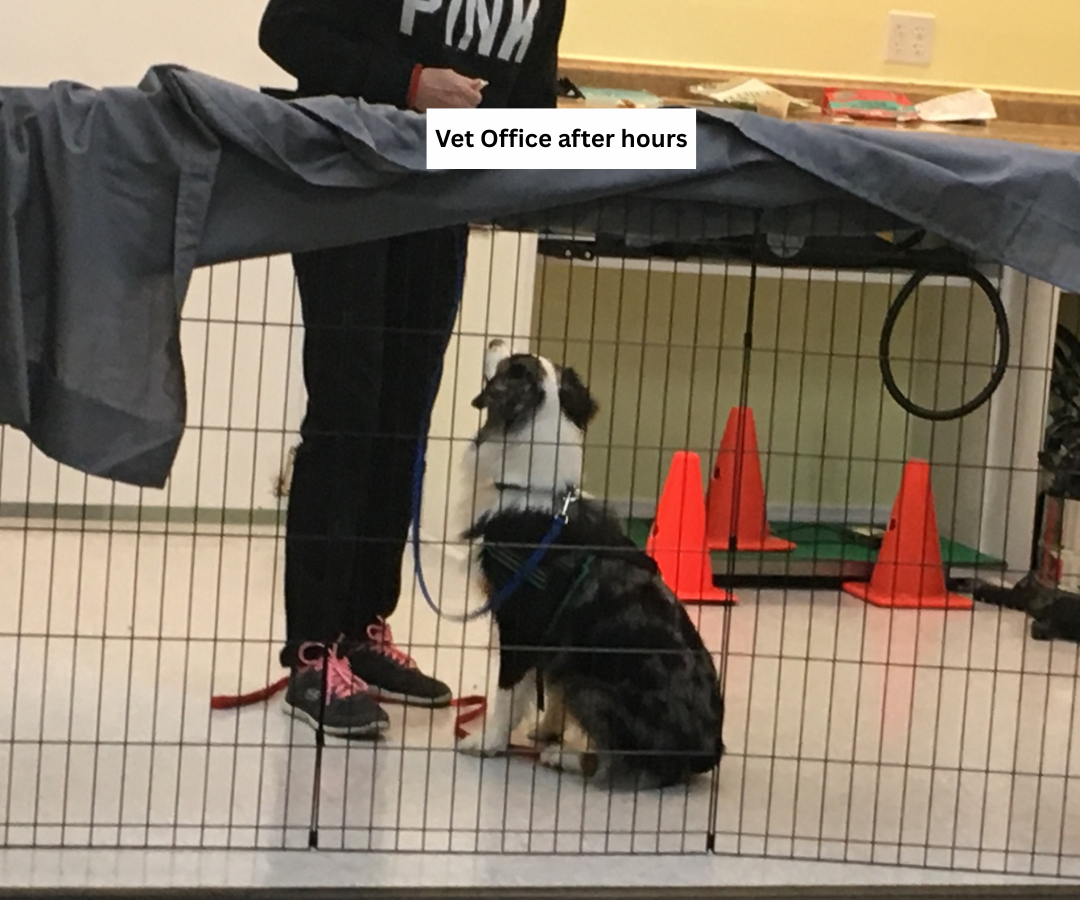
I’ve run reactive dog classes in:
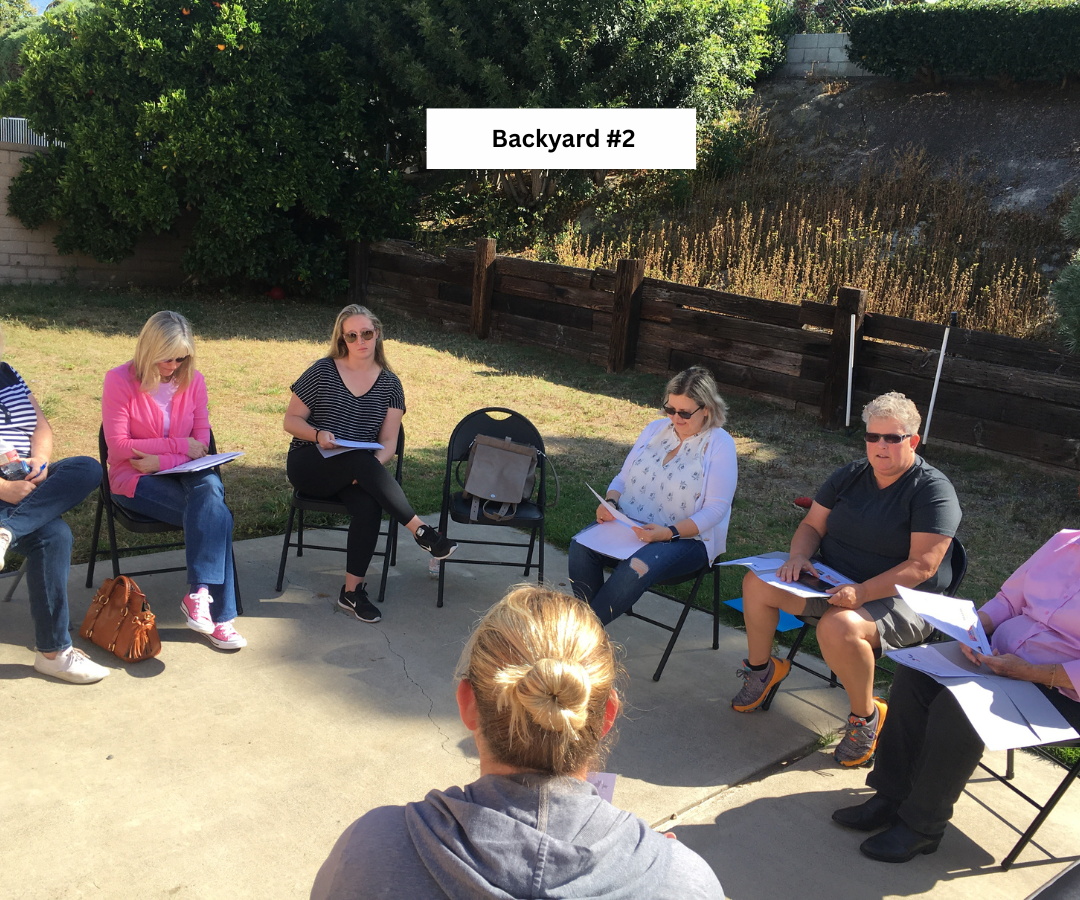
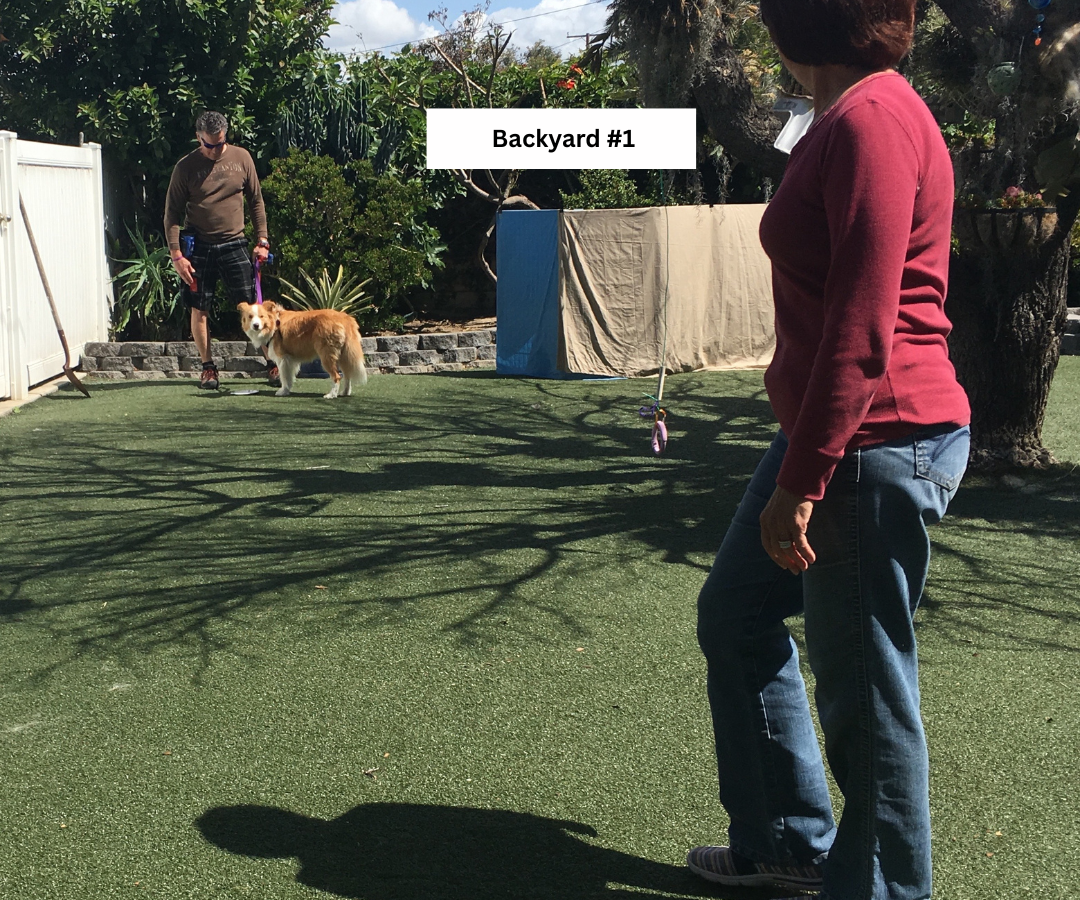
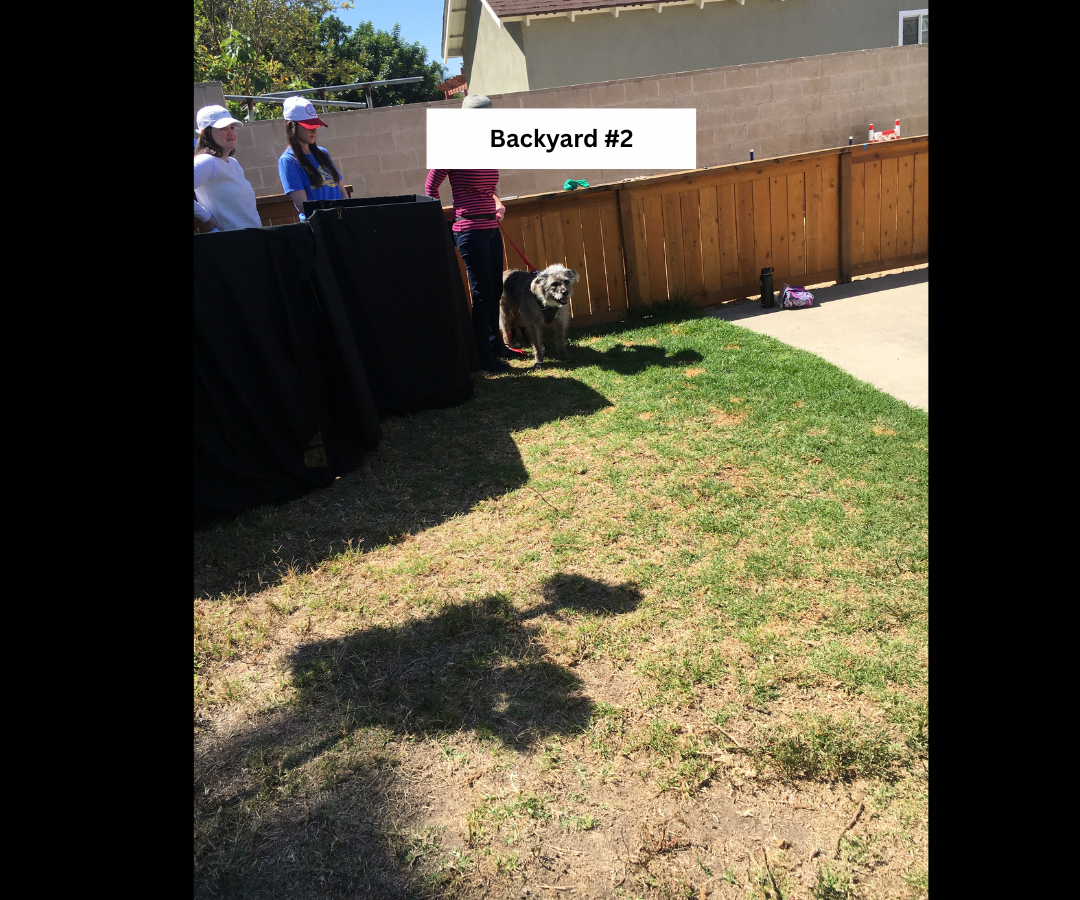
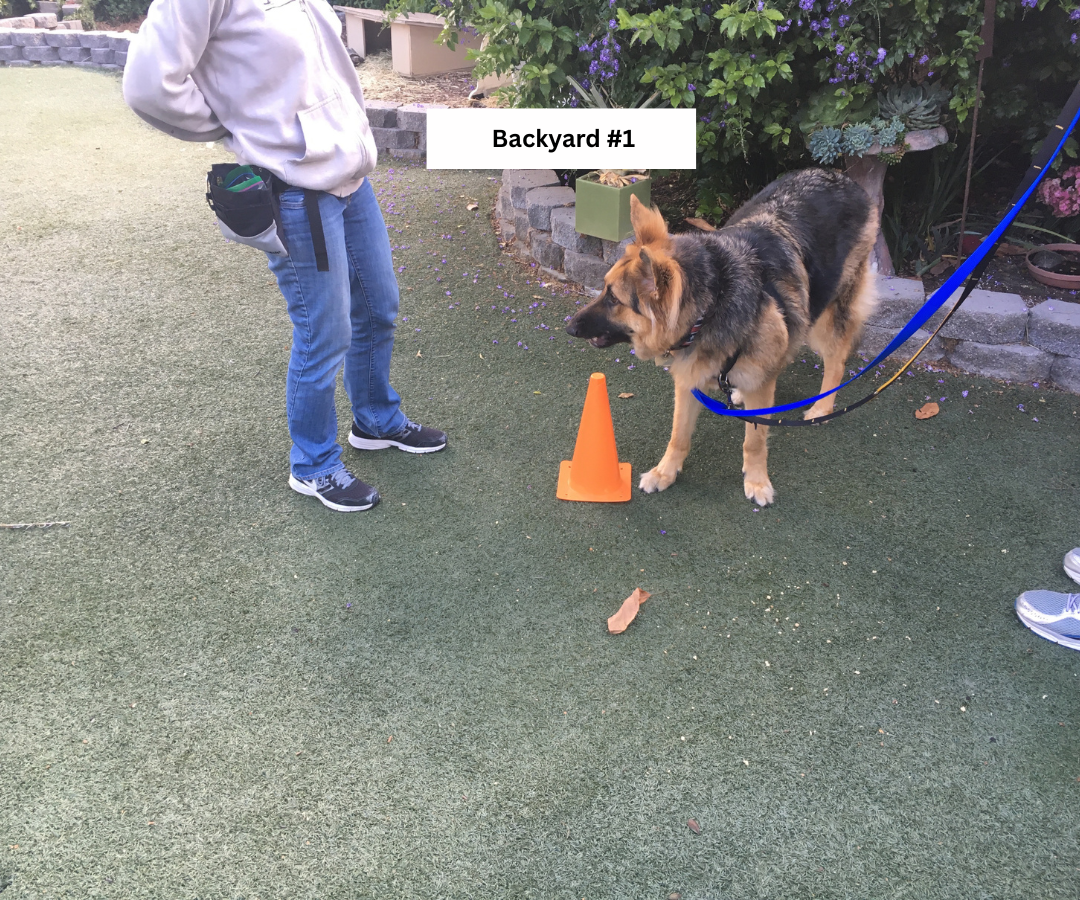
• a backyard
• a vet office after hours
• a dog daycare
• a DIY grooming space
• even a church parking lot
Can a class help a reactive dog with a bite history?
HERE'S ARE THE DEETS
Reactive Dog Classes attracts more clients
The Numbers (Simple Math)
A typical class:
3–4 dogs × $350–$500
👉 $1,350 – $2,000 per class
With Level 2 and Level 3:
👉 $2,000 – $2,800+ per group
Most trainers make their investment back after their first class.
You Probably Already Know the Basics
If you’re a dog trainer, you already understand:
• reinforcement
• counter conditioning
• desensitization
• reading behavior
That’s not the issue.
Where Things Start to Break Down
In real-world situations — especially in group settings — those concepts don’t always translate cleanly.
Timing becomes harder.
The environment becomes unpredictable.
And it’s easy to fall back on:
• reacting in the moment
• managing behavior instead of changing it
• or relying on food without a clear structure
What This Teaches Instead
This approach goes deeper than simply reinforcing behavior.
It focuses on:
👉 how to use structure, timing, and environment to shift the dog’s emotional response
So instead of:
• managing reactions
• or trying to “reward the right behavior”
You’re guiding the dog toward:
👉 rewiring an emotional response
Why That Matters
Because when the emotional response changes…
👉 the behavior changes with it.
Change the reason why they bark and lunge and the barking and lunging goes away on it's own.
Who This Is For
This program is designed for dog trainers who:
- work with reactive dogs
- want to offer group classes
- want to help more clients
- want to increase revenue without more 1:1 hours
- use positive reinforcement methods
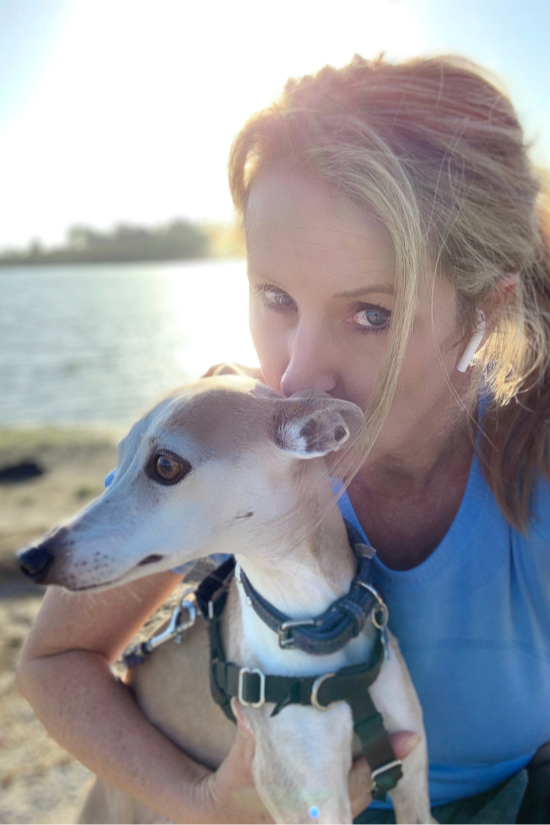
Hi, I’m Sherry.
I struggled with my own reactive dogs and felt frustrated by the advice I was hearing.
Through years of trial, error, and real-world experience, I developed a process that works — without harsh tools or extreme methods.
I’ve helped hundreds of dog owners and built a system that now helps trainers do the same.
In my training business, I ran highly structured reactive dog classes with small groups of 3–5 dogs at a time.
These classes were designed specifically for reactive dogs and required a clear system for:
- managing distance between dogs
• controlling triggers and exposure
• ensuring safety for every dog and owner
• building emotional change instead of just obedience
The result?
Dogs that started class barking and lunging could eventually work calmly around other dogs (other reactive dogs).
And many owners continued through Level 2 and Level 3 classes.
About 50% of clients continued into advanced levels, creating an ongoing training program rather than a single class.
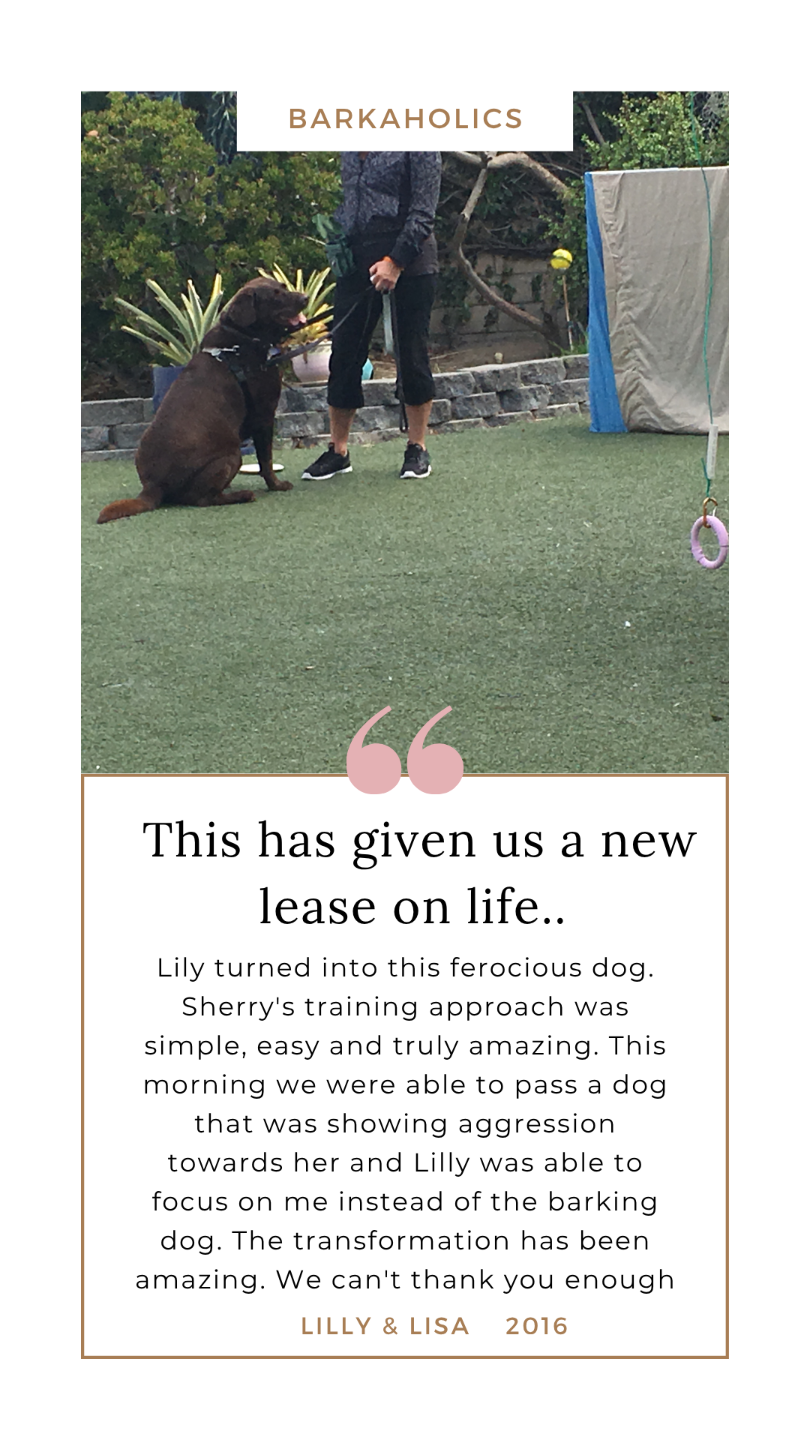
I taught this class everywhere
From a 1000 sq ft facility (it was more like 800 sqft), to a Dog Wash, to a Vet's Office after hours, different backyards (which were great), the back of a Dog Daycare and parking lots. As long as the class was successful the dog parents didn't care. They needed help and getting results mattered most.