Reactive Dog Mentorship
Know What to Expect. Know What to Change. Know Why It Matters before things go sideways
Learn how to assess emotional learning, recognize hidden variables preventing progress, and make confident decisions that help reactive dogs move forward.

HERE'S THE TRUTH...
You can understand the theory and not know how to apply it.
✔️ You passed the certification.
✔️ You understand learning theory.
✔️ You know what counterconditioning is.
✔️ You know what desensitization is.
✔️ You know positive reinforcement works.
But then a reactive dog client shows up.
The dog is barking.
Lunging.
The owner is frustrated.
They're asking questions.
And suddenly you're standing there wondering:
"Am I doing this right?"
"Why isn't this working?"
"What do I do next?
“Why did this session fail?”
“Is this too much exposure?”
“Should I progress or not?”
“How do I explain this to the client?”
“What am I missing?”
"How do I structure the next session?”
“What do I do with THIS dog?"
NOBODY TALKS ABOUT THE PART AFTER CERTIFICATION
The part were you're excited to help but don't have the exact steps...
So you read another book.
Watch another webinar.
Scroll another Instagram account.
Listen to another podcast.
And somehow everyone has a different answer.
Use a treat scatter.
Wait for disengagement.
Add distance.
Do a structured walk.
Teach an emergency U-turn.
Use more obedience.
Build engagement.
All the while knowing each dog is an individual.
The advice never ends.
And the confidence never comes.
Because confidence doesn't come from information.
It comes from the ability to interpret, diagnose, and adapt during each lesson if necessary.
Understanding what to do, when to do it, and why is only part of it.
But what happens when you're doing all the things and it's not working as planned?
That's what Reactive Dog Mentorship is designed to give you, 15 years of recognizing patterns that predict and/or prevent change.
REACTIVITY IS AN EMOTIONAL ISSUE...
Obedience training doesn't change emotions
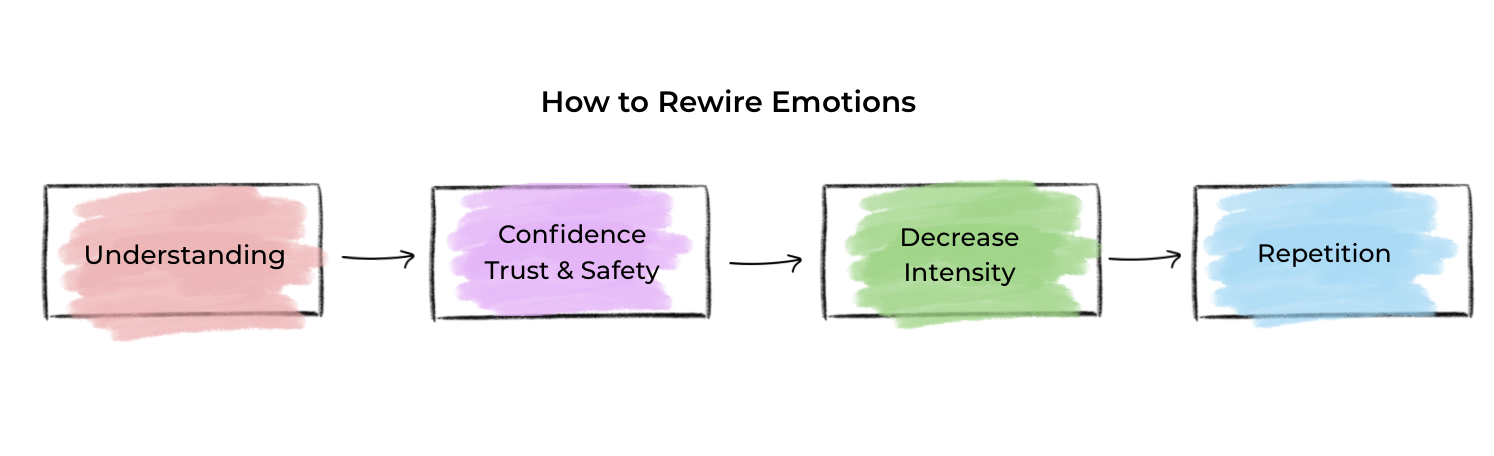
Why The Rewire Framework Works
Most reactive dog training focuses on managing behavior.
The Rewire Framework focuses on changing emotion.
Because barking and lunging are symptoms.
Fear.
Anxiety.
Frustration.
Over-arousal.
Those are the causes.
When you change how a dog feels, the barking changes naturally.
That's why this framework has been refined over 15 years working one-on-one with reactive dogs and their owners.
Not in a lab.
Not in a controlled demo.
In real neighborhoods with real dogs and real clients.
INTRODUCING
The Reactive Dog Mentorship
Know Exactly What to Do for Each Lesson to Rewire a Dogs' Emotions
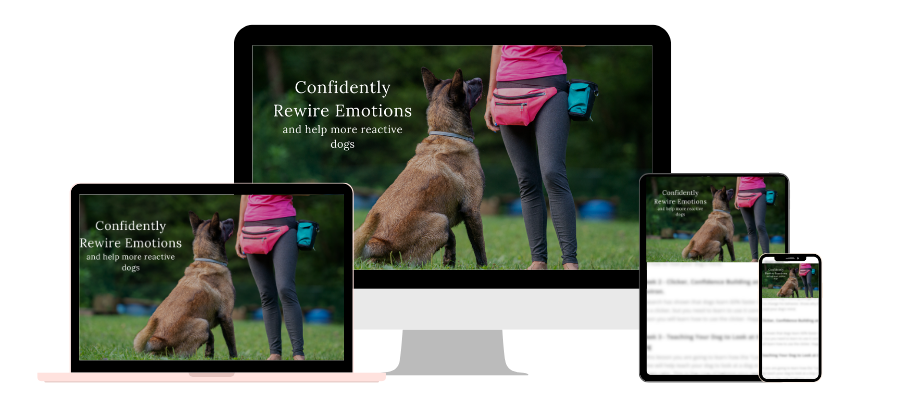
What You'll Learn Inside the Mentorship
Over the past 15 years I've realised that success with reactive dogs isn't about knowing more exercises.
It's about knowing how to think.
Inside this mentorship, I'll teach you the decision-making process I use with every reactive dog so you can confidently adapt your training to the dog in front of you instead of second-guessing yourself.
Learn to Think Like a Reactive Dog Detective
Instead of wondering why a dog isn't improving, you'll learn how to identify the variables preventing emotional change.
Understand Emotional Learning
Most trainers understand counterconditioning.
Very few know how to recognise whether emotional learning is actually taking place.
You'll learn how to spot the subtle changes that tell you a dog's brain is rewiring—often long before the client notices changes in barking or lunging.
Stop Guessing When to Progress
One of the hardest parts of reactive dog training is knowing whether to continue, progress, or slow down.
I'll teach you how to make those decisions confidently based on the dog's emotional response—not hope.
Learn How to Decrease Intensity Without Stopping Progress
Distance is only one variable.
You'll learn the different ways to adjust intensity so you can create successful learning opportunities instead of overwhelming the dog.
Avoid the Biggest Counterconditioning Mistakes
Many positive reinforcement trainers accidentally prevent emotional learning because they don't recognise the small mistakes happening during training.
You'll learn how to avoid the common errors that slow progress, create frustration, or keep dogs stuck in the same emotional pattern.
Troubleshoot Any Reactive Dog Case
When a dog isn't improving, I'll show you how to work through the case like a detective.
Instead of asking:
"Why isn't this working?"
You'll learn to ask:
- What variable changed?
- Is this emotional learning or behavioural management?
- Is the intensity too high?
- Is reinforcement changing emotion?
- What should I adjust first?
These are the questions experienced trainers ask—and you'll learn how to answer them with confidence.
What's Included
✔ Six Private Mentorship Sessions
Work through your own reactive dog cases with me so you always know what to do next.
✔ Case Reviews
Bring your difficult cases and we'll troubleshoot them together so you understand exactly why a dog is progressing—or why they aren't.
✔ Video Reviews
Get personalised feedback on your training sessions so you can see the subtle details that influence emotional learning.
✔ The Barkaholics Rewire Framework
Learn the exact decision-making framework I use to assess every reactive dog, identify what's driving their behaviour, and create a training plan that focuses on changing emotion—not just managing behaviour.
✔ Assessment Forms
Know exactly what information to gather before creating a training plan so you're solving the right problem from the very beginning.
✔ Training Plan Templates
Leave every lesson knowing what comes next and why.
✔ Client Coaching Scripts
Help owners understand what's happening, why progress isn't always linear, and how to support emotional learning between sessions.
✔ Case Studies
See how the framework is applied across different dogs, environments, and emotional challenges so you can build confidence before working with similar cases yourself.
One Client Can Pay For This Program
The average trainer spends years trying to piece together reactive dog training from:
- books
- webinars
- certifications
- social media
This mentorship gives you a repeatable framework you can immediately use with paying clients.
This is a professional skill that will build you business for years.
The trainers who become known for solving reactive dog problems are often the trainers who get the referrals and the cases other trainers can't solve.
Most trainers recover their investment with their first one or two reactive dog clients.
And yes, we will go over how to price your services based on your area and experience. We'll also discuss the number of lessons needed for success.
One Reactive Dog Client Can Pay For This Mentorship
This isn't another certification you'll add to your CV and never use.
This is a practical skill you'll use every time a reactive dog walks through your door.
When you know how to confidently assess cases, coach owners, troubleshoot setbacks, and create lasting emotional change, you become the trainer people recommend for the cases others avoid.
Many trainers recover their investment with their first one or two reactive dog clients.
The confidence and decision-making skills you build can support your business for years to come.
From a dog trainer
⭐️ ⭐️ ⭐️ ⭐️ ⭐️

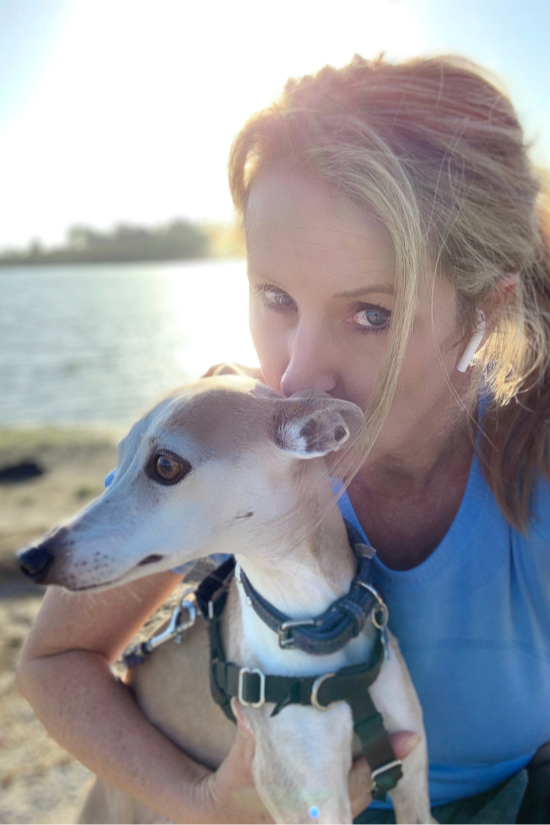
Why learn from me?
I’ve helped hundreds of dogs and their humans over the past 15 years through reactive dog class and private training lessons.
It all started with my own reactive dog Sadie and the lack of a consistent plan to help her be calm.
Through years of trial, error, and real-world experience, I developed a process that works — without harsh tools or extreme methods.
BONUSES
Most struggling dog owners don't realize what makes reactivity
Barkaholics Rewire Framework
Value: $297
This becomes the roadmap.
You don't need to create new content.
Position it as:
The exact framework I use to help dog owners rewire reactive dog emotions.
Imagine Walking Into Every Reactive Dog Lesson Knowing...
✔ How to assess the dog's emotional state.
✔ Whether emotional learning is actually happening.
✔ Which variable to change if progress stalls.
✔ How to decrease intensity without starting over.
✔ When it's time to progress.
✔ How to explain every step to the owner with confidence.
That's the difference between knowing the theory...
...and knowing how to apply it.
Frequently Asked Questions
Every dog is different. How can one process work?
What if I get a difficult dog?
What if I already passed a certification?
What if I understand theory but struggle with implementation?
Stop Guessing Your Way Through Reactive Dog Cases
You don't need another certification.
You don't need another webinar.
You don't need another book.
You do need a repeatable process.
A framework.
And someone who can help you apply it to the dogs sitting in front of you right now.
Reactive Dog Case Mentorship
✔ 6 Private Coaching Sessions
✔ Barkaholics Rewire Framework
✔ Assessment Forms
✔ Training Plan Templates
✔ Client Coaching Scripts
✔ Case Review & Troubleshooting
Investment: ???
One or two reactive dog clients can pay for the program.
The skills you learn can pay you for the rest of your career.
Enrollment will open soon
Questions?
Schedule a Free 15-Minute Call
( ⬆️ coming soon)
Get on the Early Access List and be the first to know when the doors open
⭐️ ⭐️ ⭐️ ⭐️ ⭐️

YOU MIGHT BE THINKING...
This Mentorship Isn't About Memorizing Exercises
Exercises don't create results.
Decision making does.
The best reactive dog trainers aren't the ones who know the most techniques.
They're the ones who know:
- why a dog is reacting
- what emotion is driving the behaviour
- when emotional learning is happening
- when to increase or decrease intensity
- which variable is preventing progress
- when to progress—and when not to
That's what I'll teach you.
Because once you understand how to think, you'll never feel like you're guessing your way through a reactive dog case again.